
Originally published March 8, 2017 · Updated by The Homestead Guru Editor on November 12, 2026.
Affiliate disclosure: As an Amazon Associate I earn from qualifying purchases.
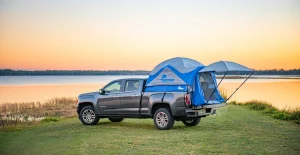
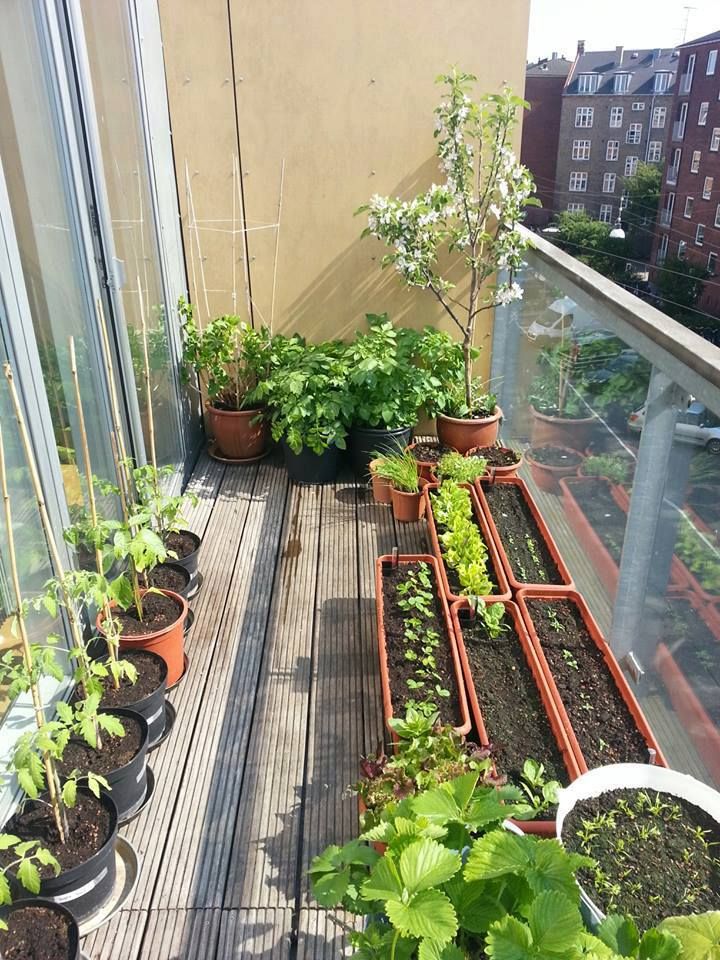
You can begin growing food without a farm. A patio, balcony or a place beside a parked RV may hold enough room for a few herbs, salad leaves or a container vegetable you enjoy.
Start with the space you have
Notice the available light, wind and access to water. Choose crops and container sizes that fit those conditions. If you are using a balcony, account for the weight of wet containers and follow the property’s rules.
Open the photo journal
Give roots room and drainage
Use containers intended for the purpose, with drainage and a suitable potting mix. Garden soil alone can compact in a pot. Iowa State Extension explains the difference.
Check moisture and nutrition
Water needs vary with pot size, weather and crop. Check the mix rather than following an automatic once-a-day rule. Aim for even moisture without leaving roots waterlogged.
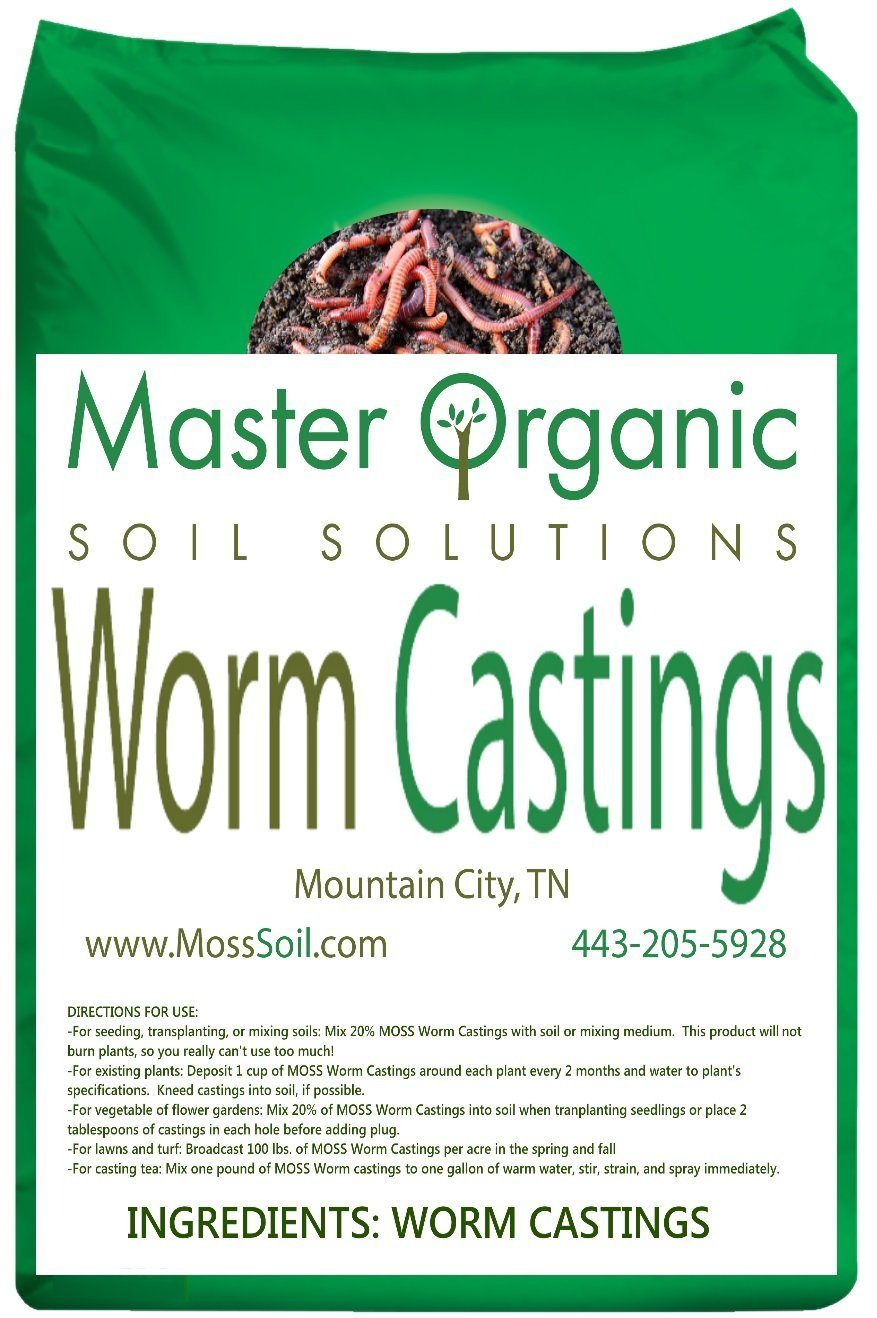
Worm castings may be one amendment, but they do not guarantee that no further nutrients are needed. Follow the potting mix and fertiliser instructions for the crop. University of Minnesota Extension covers container watering and feeding.
Pick a manageable first crop
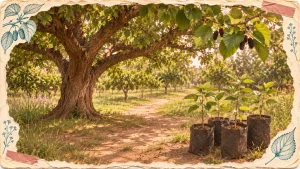
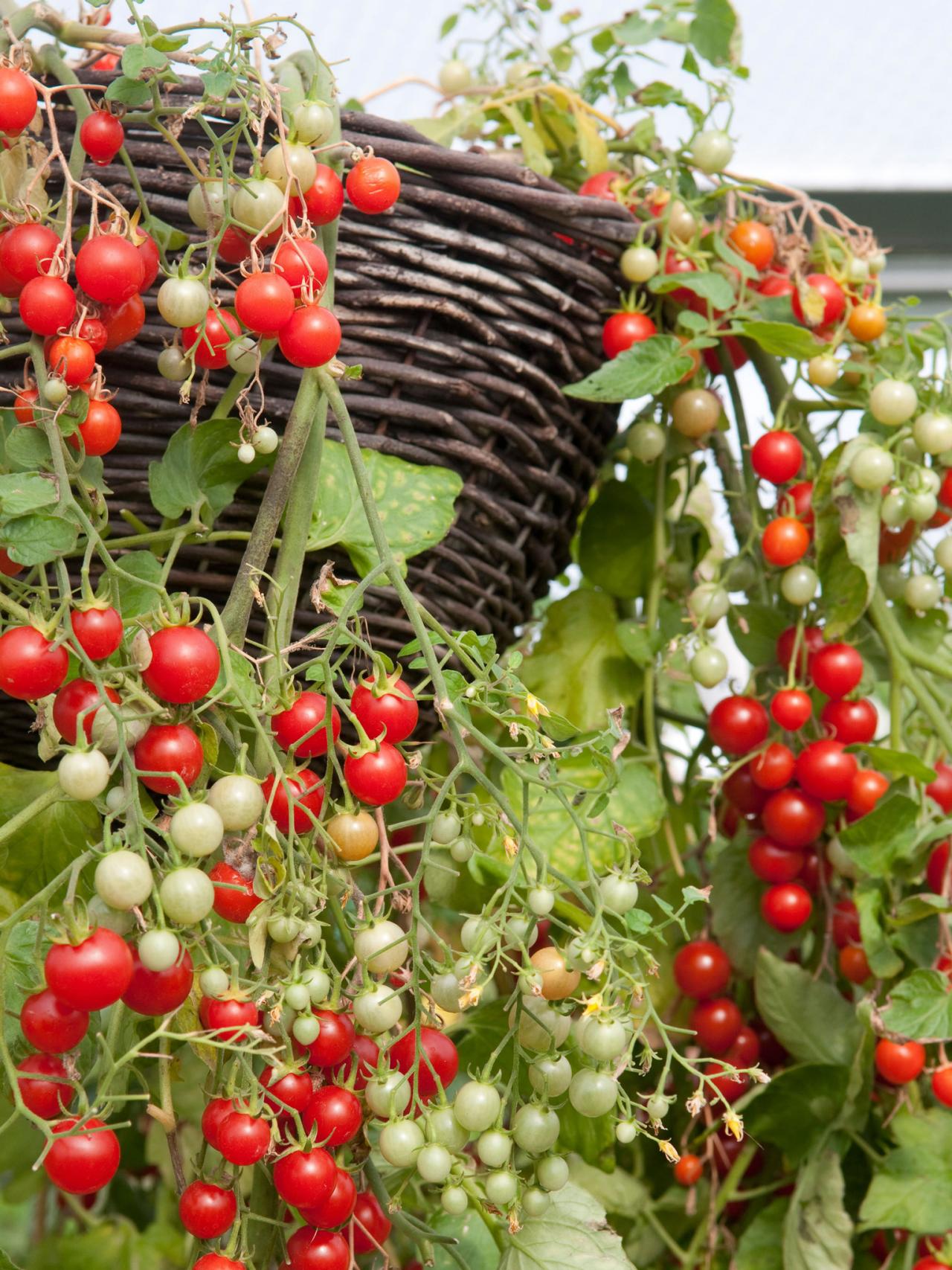
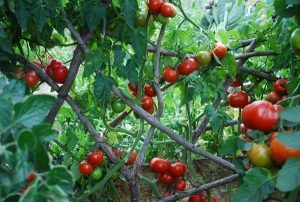
Try a few things your household likes eating. Herbs and leafy greens can be a useful place to begin; fruiting crops need enough light, root space and support. Select varieties suited to your season and harvest method.
A small garden can offer fresh food and a place to learn. It does not guarantee that two plants will overwhelm a family with produce, or that all homegrown food is more nutritious than all purchased food.
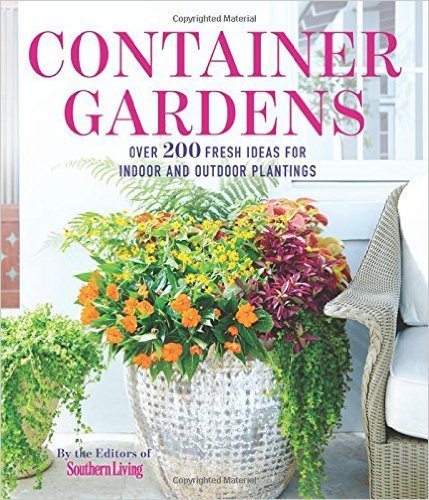
More to explore: Container Gardens book listing (paid link); Worm-castings listing (paid link). Check current product details, suitability and availability before buying.